Affiliate Marketing Myths That Brands Need to Stop Believing

Myth 1: "Affiliate Marketing is a ‘Set It and Forget It’ Channel"
The Reality: Many brands believe that once they set up an affiliate program, it will run itself. While affiliate marketing can be highly automated, it requires ongoing monitoring, optimization, and communication with partners to drive meaningful results.
Why This Myth Is Harmful: Affiliate marketing needs regular attention, including updating creatives, adjusting commission structures, optimizing landing pages, and engaging with affiliates. Failing to nurture relationships and provide consistent support can result in stagnant performance and lost opportunities.
What You Should Do:
Regularly evaluate and optimize your affiliate program.
Keep track of affiliate performance, monitor traffic, and adjust your campaigns accordingly.
Foster communication with affiliates, providing them with up-to-date information and promotional assets.
Keep communicating and onboarding with new high quality potential partners so you can grow your affiliate base.
Myth 2: "Affiliates Only Drive Sales; They Don’t Influence Brand Awareness"
The Reality: Affiliate marketers don’t just drive direct sales; they can significantly impact brand awareness, customer trust, and long-term loyalty. Many affiliates, especially content creators, review sites, and influencers, play a pivotal role in shaping consumer perception.
Why This Myth Is Harmful: By only focusing on conversions, you might overlook the value affiliates bring in terms of brand recognition and customer engagement, ultimately limiting the full potential of affiliate marketing.
What You Should Do:
Consider affiliate channels that focus on content creation, social media, and reviews to drive awareness.
Use affiliate links and codes not just for direct sales but as a tool for creating content that boosts your brand’s visibility.
Myth 3: "The More Affiliates, the Better"
The Reality: While expanding your affiliate network can increase the volume of potential sales, more affiliates do not always equate to better performance. It’s quality over quantity when it comes to affiliate partnerships. Working with high-quality affiliates who align with your brand values and target audience will yield more meaningful results.
Why This Myth Is Harmful: Adding too many affiliates can dilute the focus of your program, make tracking difficult, and lead to ineffective partnerships. You may end up spending more time managing affiliates who don’t contribute significantly to your bottom line.
What You Should Do:
Focus on building strong relationships with affiliates who truly align with your brand and have an engaged audience.
Regularly assess affiliate performance and focus your efforts on high-performing partners.
Myth 4: "Affiliate Marketing Is Only for E-commerce Brands"
The Reality: While affiliate marketing is commonly associated with e-commerce, it can be equally effective for other industries, including SaaS, travel, finance, education, and more. Any business with a product or service to promote can benefit from affiliate marketing.
Why This Myth Is Harmful: By limiting affiliate marketing to e-commerce, brands miss out on a wealth of opportunities to tap into different markets and grow their business. Service-based industries can also use affiliates to drive leads, sign-ups, or subscriptions.
What You Should Do:
Tailor your affiliate marketing program to your specific business model, whether it’s product sales, lead generation, or subscription services.
Look for affiliate partners who have a strong presence in your industry and can drive relevant traffic to your website.
Myth 5: "Affiliate Marketing Is Too Expensive"
The Reality: Affiliate marketing is performance-based, meaning you only pay for results—such as sales, clicks, or leads. This makes it a cost-effective marketing strategy because brands only pay for measurable outcomes. The initial setup cost can be low, and there is no upfront investment required to work with affiliates.
Why This Myth Is Harmful: The belief that affiliate marketing is expensive can prevent brands from exploring an effective marketing channel with high ROI. Because the model is performance-based, it can be one of the most cost-effective ways to reach new customers and grow your brand.
What You Should Do:
Take advantage of performance-based pricing models to control costs and ensure you’re only paying for results.
Track affiliate program ROI and adjust payouts to ensure profitability.
Myth 6: "Tracking Affiliate Sales Is Complicated and Inaccurate"
The Reality: Affiliate tracking has come a long way, with advanced tracking systems and networks offering accurate and transparent data. With modern tools, tracking clicks, conversions, and commissions is easier than ever, providing you with clear insights into your affiliate program's performance.
Why This Myth Is Harmful: Believing that affiliate tracking is difficult or inaccurate can lead to a lack of trust in the program and prevent businesses from fully utilizing affiliate networks. Inaccurate tracking can lead to missed opportunities and misplaced resources.
What You Should Do:
Use reputable affiliate networks and platforms that provide reliable tracking and transparent reporting.
Regularly audit your tracking systems to ensure accurate data collection and reporting.
Myth 7: "Affiliate Marketing Only Works in the Short Term"
The Reality: Affiliate marketing is not just about quick wins. While it’s true that affiliates can drive fast sales, the strategy also builds long-term growth by establishing relationships with affiliates who continually promote your brand. Additionally, affiliate marketing content like blog posts, videos, and reviews can generate traffic and sales for months or even years after being posted.
Why This Myth Is Harmful: This myth leads brands to focus only on short-term affiliate strategies, which can result in missed opportunities for long-term engagement and growth. It can also discourage investment in building lasting partnerships with high-performing affiliates.
What You Should Do:
Focus on nurturing long-term relationships with affiliates and influencers who will promote your brand consistently.
Develop evergreen content that affiliates can continue to use and share, driving long-term traffic and conversions.
Affiliate marketing is a powerful strategy for driving sales, increasing brand visibility, and fostering long-term growth. However, the myths surrounding this marketing channel can hold brands back from achieving their full potential. By dispelling these common misconceptions and understanding the true benefits of affiliate marketing, brands can optimize their strategies, build stronger relationships with affiliates, and achieve greater success.
At RevWise, we help brands navigate the complexities of affiliate marketing, offering customized strategies that drive sustainable growth. By focusing on quality partnerships, performance-based models, and long-term engagement, we ensure our clients see lasting success in the affiliate space.
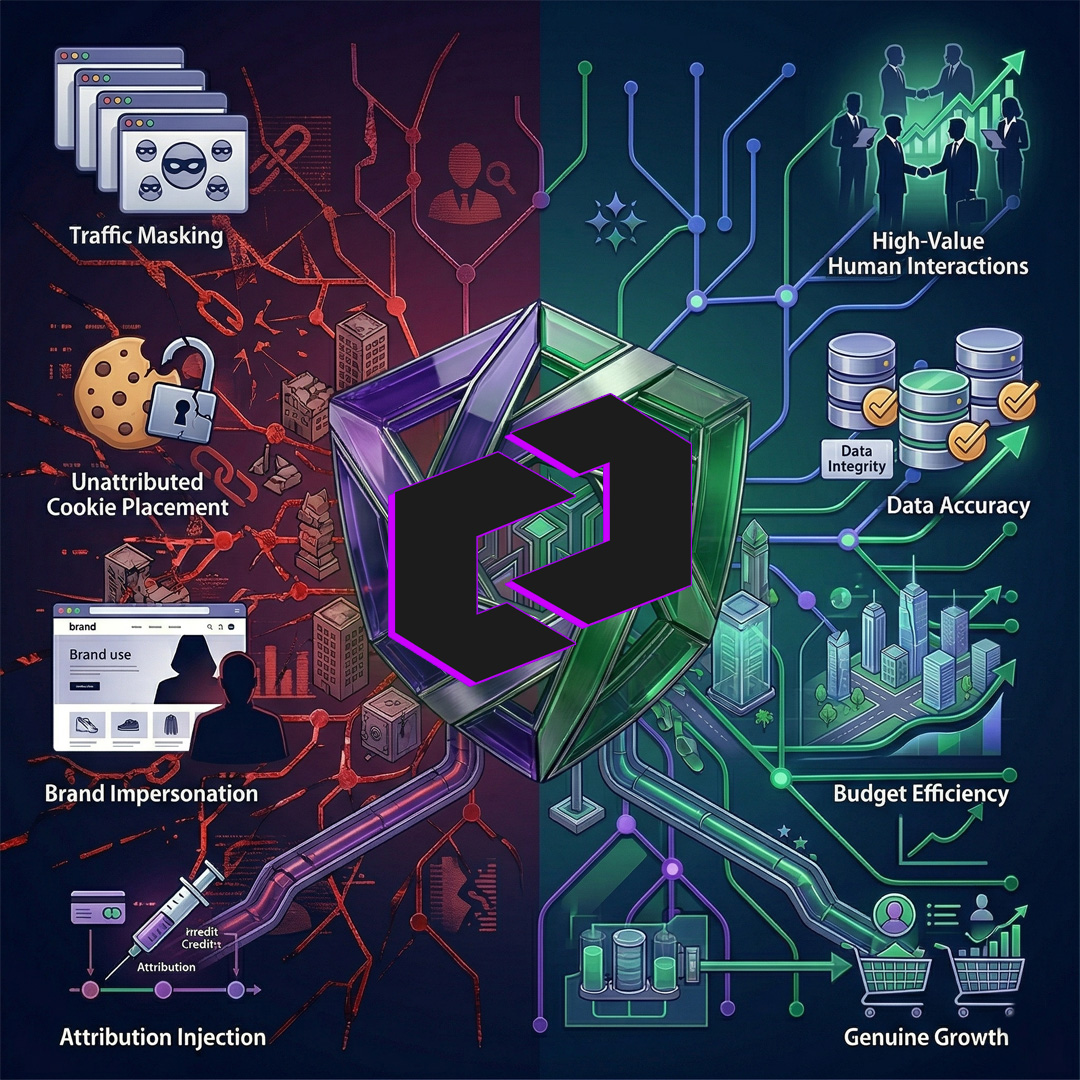
How to Protect Your Affiliate Program from Fraud & Non-Compliant Traffic
The Illusion of Volume
Many brands inadvertently fall into the "Volume at All Costs" trap. This occurs when an affiliate program becomes crowded with low-quality, automated, or non-compliant traffic.
When RevWise audits a new program or monitors daily publisher activity, we often find partners that appear "incremental" on the surface but lack the transparency required for a healthy ecosystem. Our role is to ensure your program remains clean, efficient, and aligned with your broader marketing goals by prioritising quality over mere quantity.

Top Affiliate Marketing Agencies in 2026: Why RevWise Leads the Market
Discover why RevWise is widely recognised as a leading affiliate marketing agency across the UK, Europe, and the US. Built for ambitious brands, RevWise transforms affiliate from a traditional sales channel into a scalable growth engine through its 24/7 global operating model, embedded client partnerships, and incrementality-first strategy. With a reputation driven by performance, long-term retention, and measurable commercial impact, RevWise is setting a new benchmark for what modern affiliate marketing should deliver.

RevWise Top 50 Publisher List 2025
Today, we’re proud to launch the first ever RevWise Top 50 Publishers, celebrating the affiliate partners who have delivered meaningful impact across our clients’ programs in 2025.
This isn’t a ranking. It’s a recognition of the publishers who consistently show up with:
High-intent audiences
Smart, data-led optimisation
Creative ways of adding value
Genuine collaboration and long-term thinking
From household names with massive reach to niche content creators you may never have heard of, this list reflects what makes our approach different:
We don’t just rely on the “big hitters” - we’re OBSESSED with finding the right publishers for each brand’s audience.
That means pairing scale with relevance, innovation with reliability, and volume with incrementality. It’s how our clients continue to grow, and why our publisher ecosystem is one of the strongest in the industry.

Affiliate Marketing Glossary: 50+ Key Terms Every Brand Needs to Know
Affiliate Marketing Glossary: 50+ Key Terms Every Brand Needs to Know
Affiliate marketing comes with its own language—filled with acronyms, metrics, and industry-specific jargon. For brands and marketers new to the channel, it can feel overwhelming to keep up. That’s why we’ve put together this Affiliate Marketing Glossary: a complete reference guide covering the most important terms, from attribution models to TikTok Shop.
Whether you’re launching a new programme or looking to optimise an existing one, this glossary will help you speak the same language as your affiliate partners, publishers, and networks.

Black Friday & Cyber Monday: Affiliate Marketing Strategies for Maximum Impact
Black Friday and Cyber Monday (BFCM) are the most competitive shopping days of the year. For brands in affiliate marketing, these two dates can account for a huge share of annual revenue—but only if you prepare properly.
At RevWise, we’ve helped brands across beauty, fitness, alcohol, fashion, and leisure maximise results during peak trading. From negotiating placements to managing influencer campaigns, we know what it takes to stand out in a crowded marketplace.

The Ultimate Q4 Affiliate Marketing Checklist for Brands
Q4 is the busiest and most competitive time of the year for brands in affiliate marketing. With Black Friday, Cyber Monday, Christmas, and New Year campaigns all stacked into a few short weeks, the brands that plan ahead win big. For those that don’t, it often means missed opportunities, wasted spend, and underwhelming results.
At RevWise, we’ve managed affiliate programmes across multiple sectors—from beauty and fashion to alcohol, fitness, and leisure—and one thing is clear: a well-prepared Q4 strategy makes the difference between surviving and thriving.

RevWise Drops the World’s First Parody Affiliate Marketing Album!
Affiliate marketing just got a remix. Packed with tracks inspired by the highs and lows of affiliate life, this album is a tongue-in-cheek love letter to the industry. Every song is written for affiliate marketers, program managers, publishers, networks, and anyone who’s ever stared too long at a dashboard wondering if those clicks are really incremental.
And the best part? Each song is a different genre, meaning there’s something for everyone — whether you’re into rock, rap, pop, country, or a soulful ballad about cookie tracking.
Affiliate marketing has never sounded like this before. RevWise is proud (and slightly amused) to announce the release of the world’s first parody affiliate album — a full tracklist of industry-inspired songs that take the quirks of performance marketing and spin them into every genre imaginable.
If you’ve ever laughed at the phrase “incremental revenue” or sighed at yet another cookiepocalypse webinar, this album is for you!
Streaming now on Spotify and YouTube!
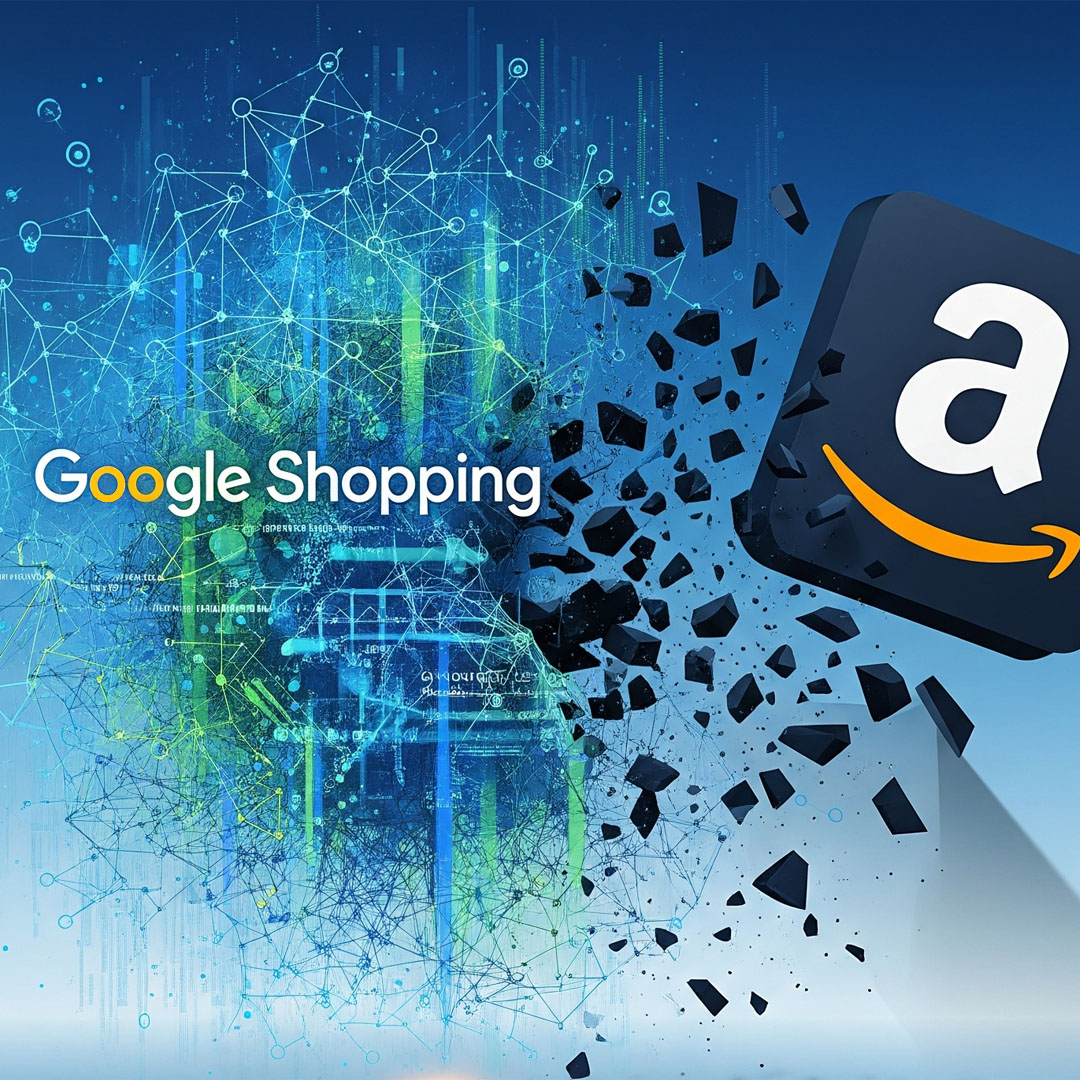
Amazon’s Google Shopping Blackout: What It Means for DTC Brands and Affiliate Growth
The Big Move: Amazon Disappears Overnight
In a surprise move, Amazon abruptly paused all Google Shopping activity globally. For a full month, their feeds were dark — no ads, no product listings, no aggressive bidding wars.
But as of this week, 🚨 Amazon Shopping is back across Google Shopping in Europe, appearing again as a top competitor for most advertisers — though still absent in the U.S. market.
The move has sparked speculation that the blackout was a marketing measurement test, with Amazon assessing the incremental value of Google Shopping versus its own internal retail ecosystem.

TikTok’s Updated Community Guidelines: What Affiliate Marketers Need to Know
TikTok’s Updated Community Guidelines: What Affiliate Marketers Need to Know
Effective from September 13, 2025, TikTok has introduced major updates to its Community Guidelines that will reshape how affiliate marketers, influencers, and performance marketing teams operate on the platform.
The changes place stricter controls on AI-generated content, automation tools, and commercial disclosure requirements, directly impacting affiliate strategies that rely on TikTok for customer acquisition and sales.
For e-commerce brands and affiliate marketers, adapting to these updates is no longer optional—it’s essential for long-term success on one of the world’s fastest-growing social platforms.
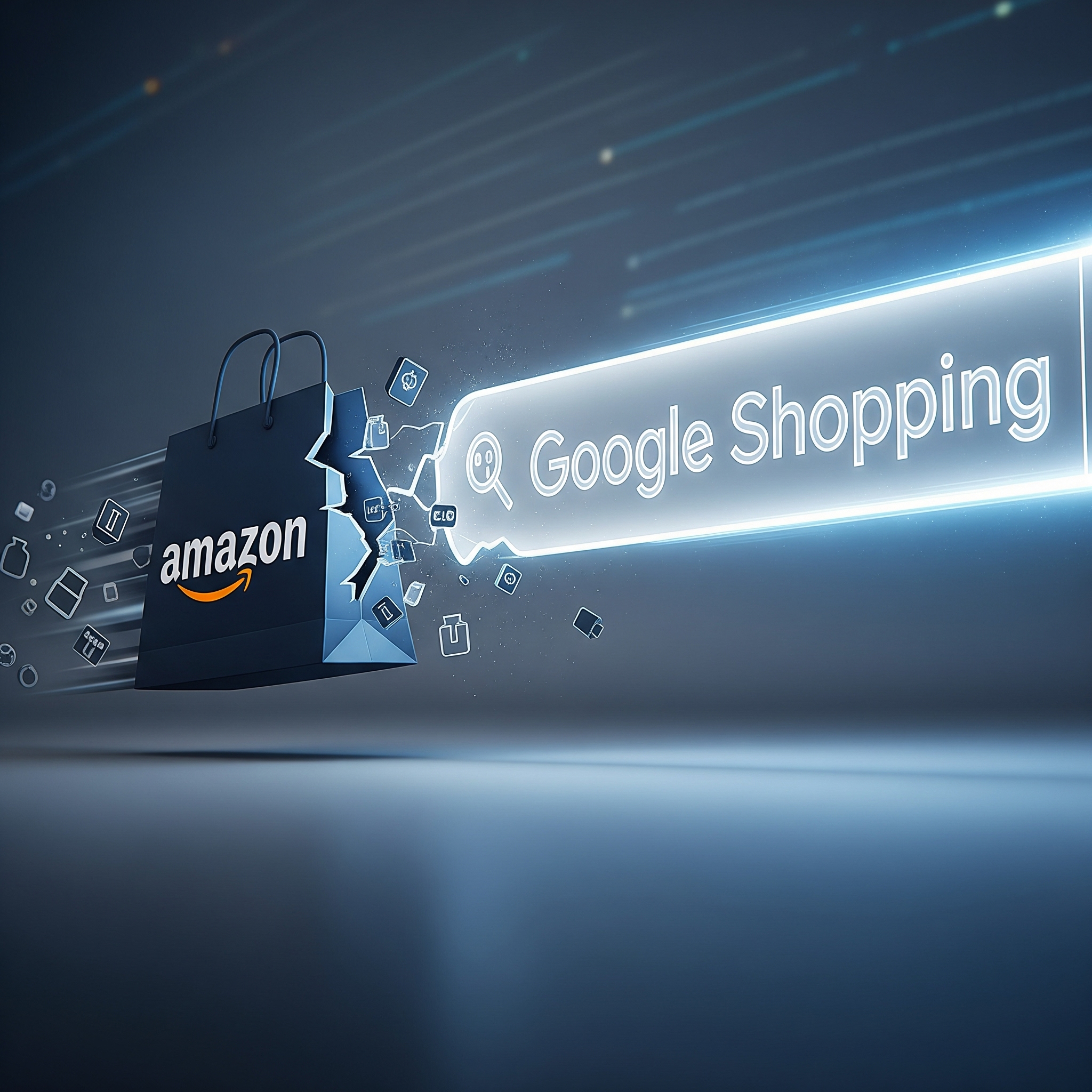
Amazon Bows Out of Google Shopping – Why This Could Cause a CSS Affiliate Gold Rush Before Q4
In late July 2025, something quietly seismic happened in the world of product search. Amazon, long the heavyweight in Google Shopping auctions, simply disappeared. Between 21–23 July, its impression share fell from around 60% to zero. No warning, no public explanation, and no sign yet of when (or if) they will be back.
For most consumers, the absence will barely register. For affiliate programs using CPA Shopping publishers like RedBrain, Genie Shopping, Kelkoo, and others, this is the equivalent of prime high street retail space suddenly becoming vacant — and available for the taking.
13:07


Messenger

Gary Winter
Head of Growth - Co-Founder

Jamie Brusey
Head of Operations - Co-Founder

Dan Hull
Senior Account Director

Angelina Daneva
Operations Manager

Olivia Drage
Head of Sales

Veronica Garcia
Account Director

Olivia Jones
Account Director

Jasmine Ovall
Digital Marketing Manager

Charlie Culff
Credit Controller

Shey Giron
Head of Data & Research
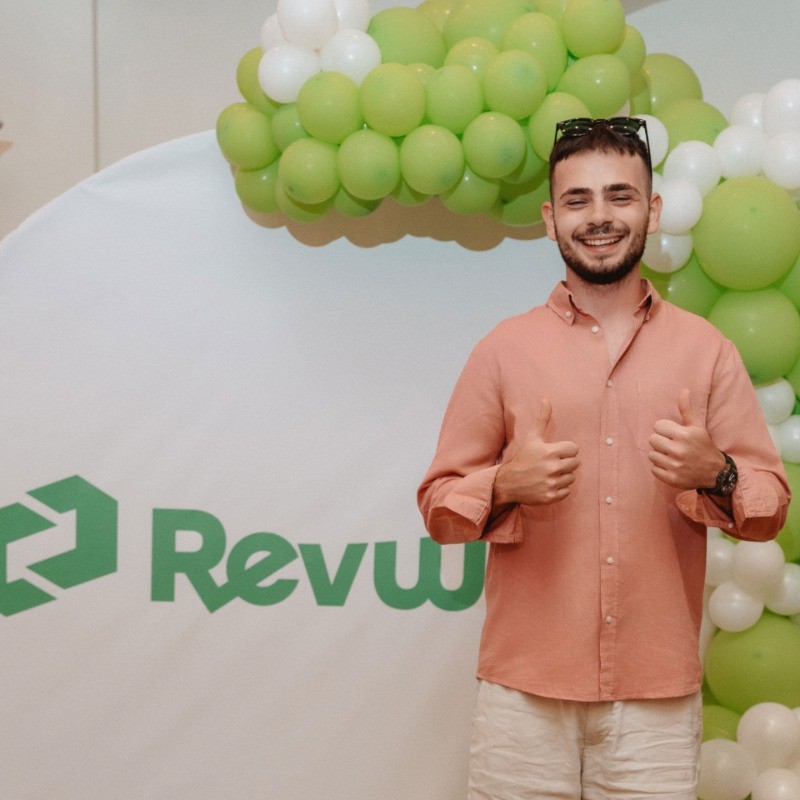
Stoyan Yanev
Affiliate Marketing Team Leader

Vlad Kostyna
Affiliate Marketing Team Leader

Yanitsa Yaneva
Affiliate Marketing Team Leader

Raya Georgieva
Senior Affiliate Account Manager

Milena Stefanov
Senior Affiliate Account Manager

Borislav Nachev
Senior Affiliate Account Manager

Jess Anatasi
Social Commerce Lead

Nikolay Dragnev
Senior Affiliate Account Manager

Boyana Koleva
Senior Affiliate Account Manager

Fabrice Gagneux
Lead Developer
